
Free written scope consultation - allowances, timeline, and change-order rules on paper before a single trade is scheduled
Styles & brands we work with
- Kitchen remodeling
- Bathroom remodeling
- Home additions & ADU
- Roofing
- Windows & doors
- Driveway & pavers
- Fence
See the difference
 Before
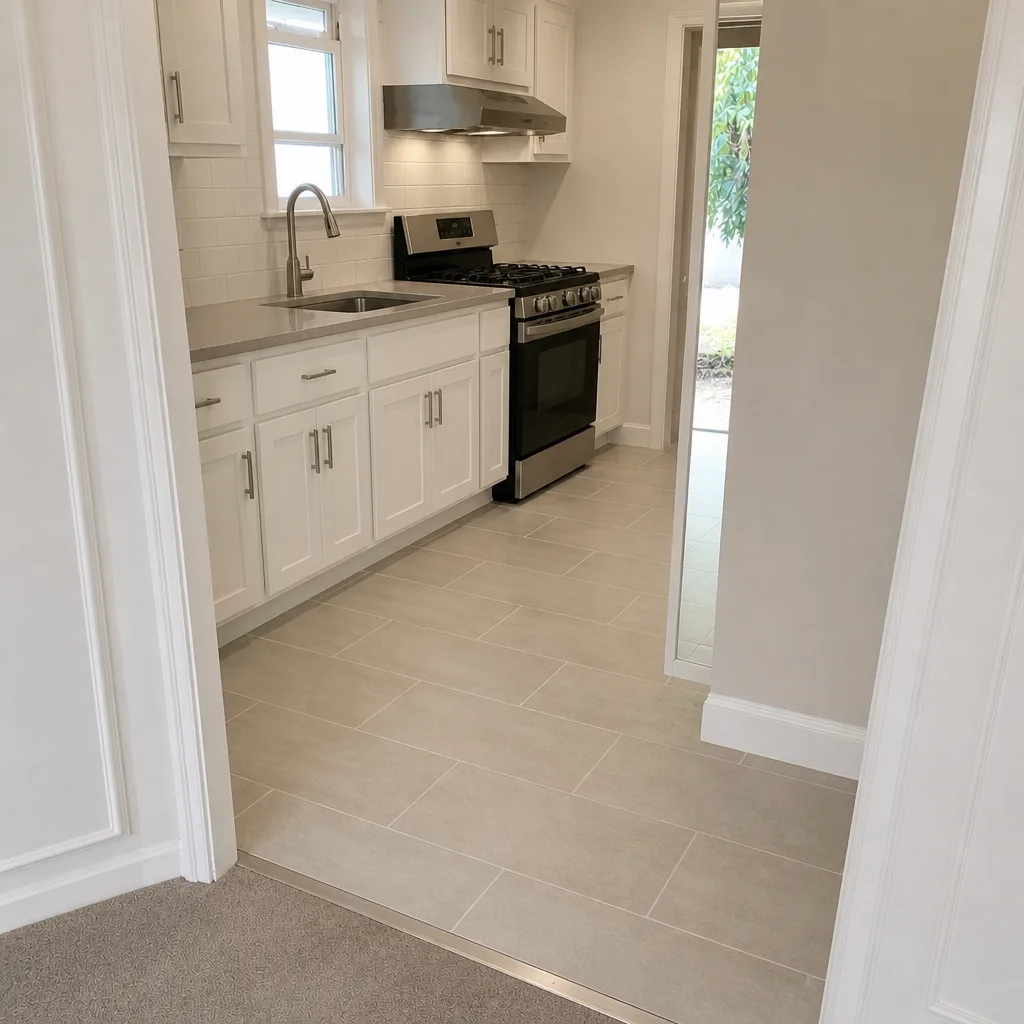 After
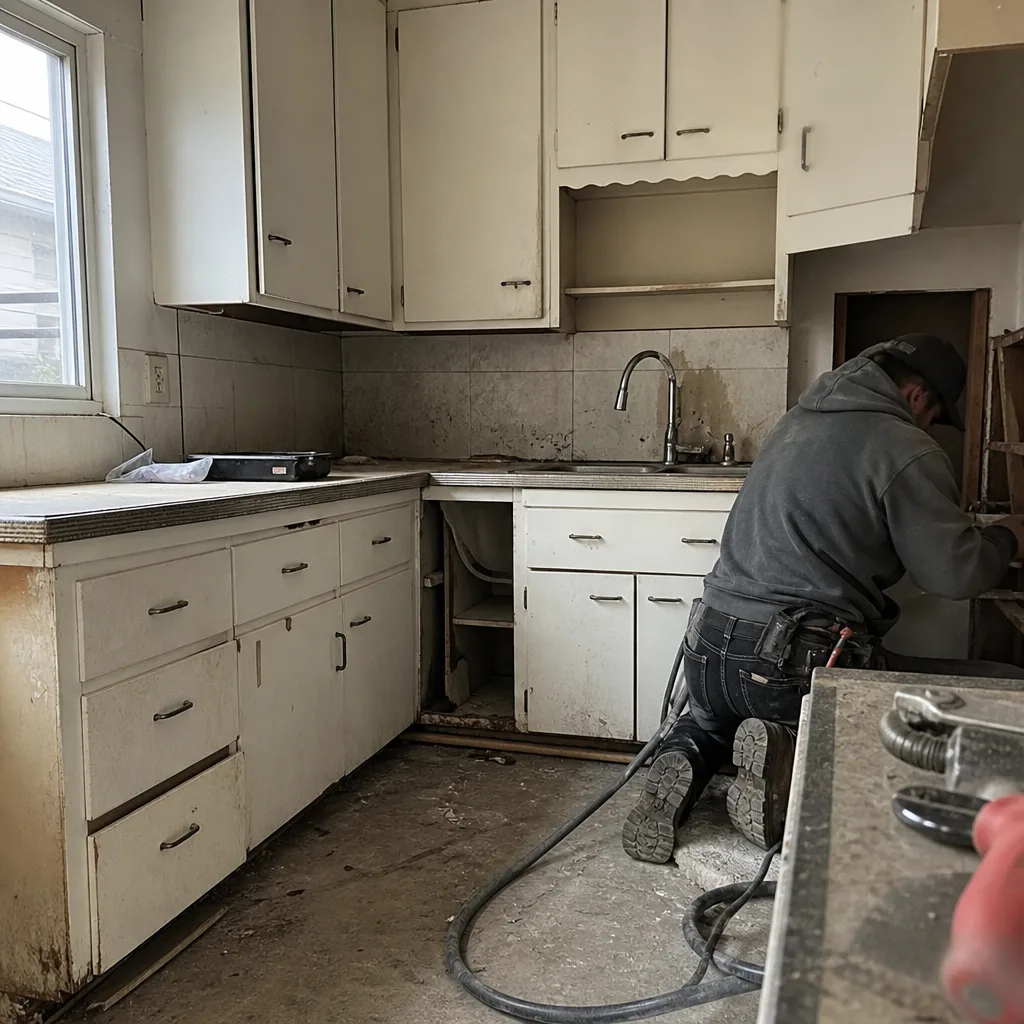 Before
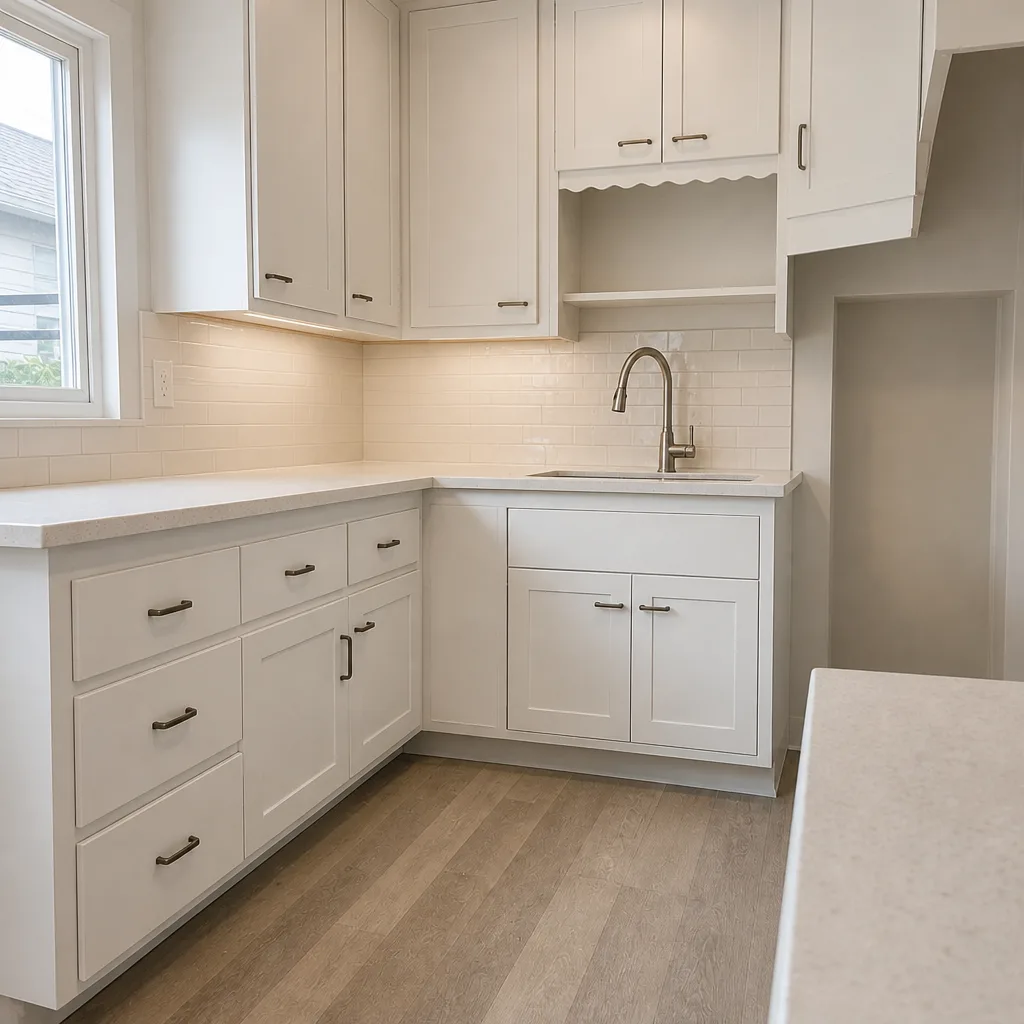 After
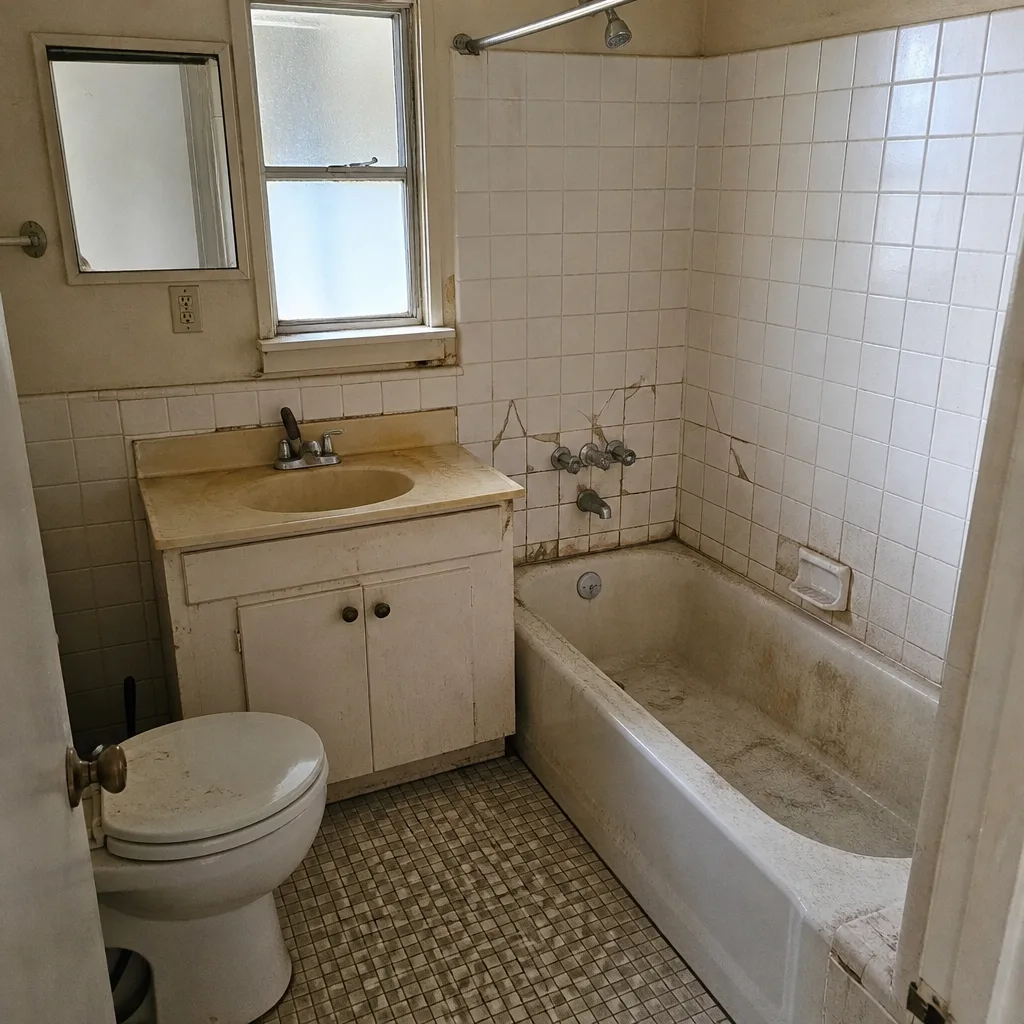 Before
 After
How Deep Should Fence Posts Be in Berkeley, CA? Deeper Than the One-Third Rule Says
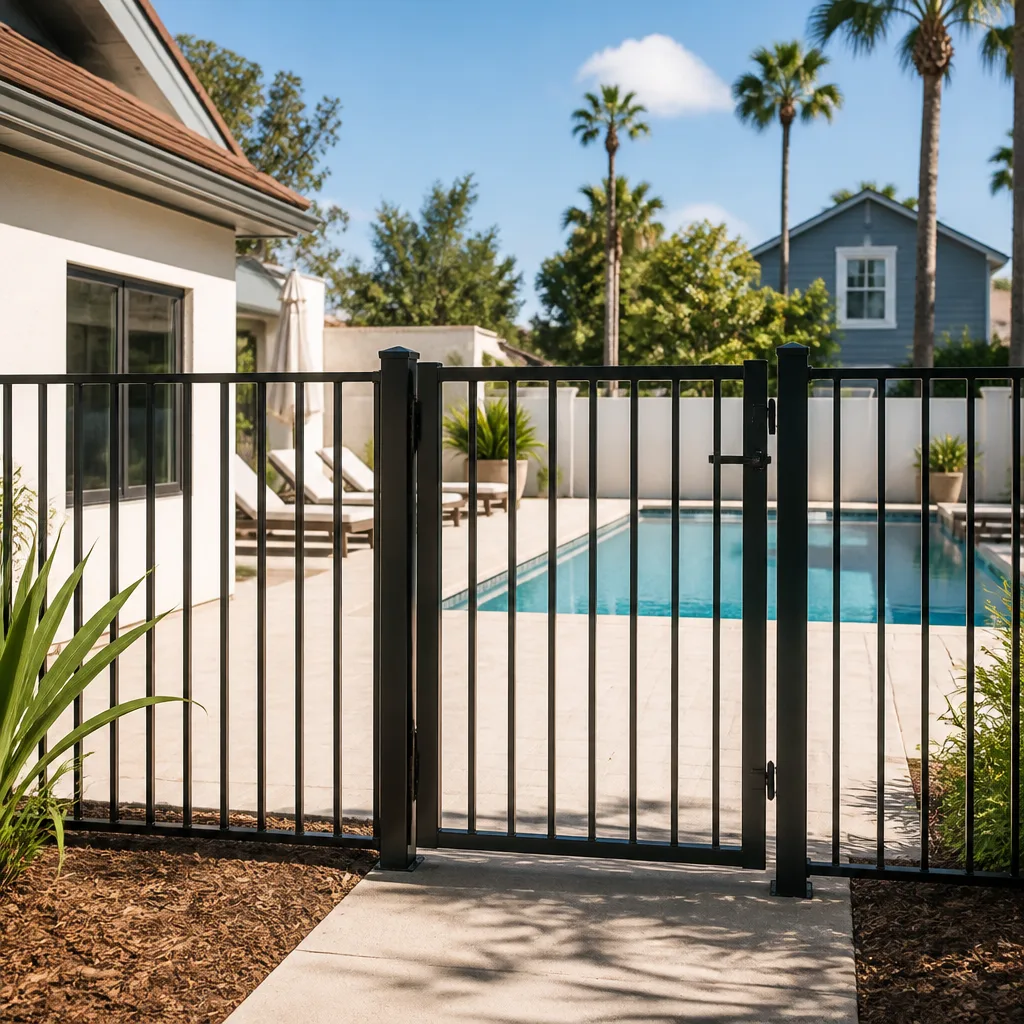
Fence posts should be set a minimum of 24 inches deep in normal soil and 30 to 36 inches in Berkeley’s expansive clay, with 6 extra inches added for every 10% of slope on hillside lots. The “one-third of post length” rule you’ll find on every fencing site was written for flat, stable ground, and most of Berkeley isn’t flat or stable. A 6-foot post at 2 feet deep holds fine on a level Sacramento lot. On a Berkeley hillside with clay and a 15% grade, that same post is leaning by the first heavy rain. Getting the depth right is the whole ballgame, and if you’d rather have someone who knows these hills look at your property, call Groundwork Construction Co. of Berkeley at (855) 471-4163 for a free estimate.
Why Berkeley Soil Changes the Depth Math Entirely
Frost depth is the number most national fence guides build their recommendations around, and it’s the one number that means nothing here. Berkeley’s Mediterranean climate never gets cold enough to drive frost heave. What we do get is months of winter rain soaking into soil that drains slowly, plus pockets of expansive clay that swell when wet and shrink when dry. That cycle is what pushes shallow posts up and out of the ground, not freezing.
The other factor is slope. Berkeley’s hillside lots, the ones that burned in 1991 and have been rebuilt with fire-resistant detailing ever since, rarely offer level runs longer than 20 feet. Every stretch of grade multiplies the lateral load on each post. A fence that would stand for decades on flat ground will rack and lean within a season on a 15% slope if the posts are set at flat-ground depth.
So how do I know which soil I have?
You dig a test hole. A post hole dug 12 to 18 inches down tells you almost everything: sandy loam crumbles, clay comes up in sticky ribbons, and fill soil (common on Berkeley lots that were regraded decades ago) often hides rubble and old concrete. If the hole fills with water overnight in January, you’ve found a drainage problem that has to be solved before any post goes in, or the post will heave. This is one of those jobs where a 20-minute dig saves you a fence.
Depth by Soil Type and Grade: A Berkeley Reference
The table below is what we actually use when setting posts around Berkeley. It departs from the generic rule because the generic rule doesn’t account for clay or grade.
| Condition | Minimum embedment | Notes |
|---|---|---|
| Standard loam, level | 24 in. | Baseline for most flatland lots |
| Expansive clay | 30-36 in. plus gravel collar | Collar drains water away from the post face |
| Sloped grade | Add 6 in. per 10% grade increase | A 20% slope pushes a clay-soil post to 36-42 in. |
| Post connected to a structure | Engineering-dependent | Footing design may need sign-off before permit |
Two of those rows deserve more than a table cell. The gravel collar on clay is not optional decoration. It’s a ring of crushed stone around the post that lets water drain instead of pooling against the wood. Without it, even a 36-inch post in Berkeley clay will work loose over a few wet seasons.
The last row is the one people miss. On Berkeley’s small lots, fences frequently tie into a house, garage, or retaining wall to close off a side yard. The moment a fence connects to a structure, its posts stop being a fence problem and become a structural one. The lateral load transfers into the building, and the footing design has to account for it. That can pull the work into permit territory with engineering sign-off before anyone digs. We’ve seen more than one homeowner surprised by that, and it’s cheaper to find out before the posts are in the ground.

What We Find When We Pull Old Berkeley Fence Posts
Here’s a detail no depth chart will tell you. In the Elmwood and North Berkeley flatlands, pulling old posts regularly turns up original redwood set at 18 inches back in the 1960s. The wood itself is often still sound, which says a lot about redwood. But those posts are non-compliant with current shear requirements the moment a fence ties into a structure, and the old 18-inch depth doesn’t meet today’s lateral-load standards either. That’s the same story contractors here run into with original redwood framing in the houses themselves: solid material, outdated engineering.
This is why we don’t just match the old depth when we replace a fence. We set new posts to current standards, which is the difference between a fence that survives a decade of Berkeley winters and one that needs re-setting in three years. Our technicians have up to 12 years of experience reading exactly these conditions, and the work is backed by our 730-Day Done Right Promise: if it’s not done right, we make it right. For the full picture of what a proper install involves, see our Fence Installation page.
Fire-Resilience Depths in the Wildland-Urban Interface
Berkeley’s hills sit in a wildland-urban interface zone, and fences there are held to fire-resilience standards that go beyond the standard residential rule. Fire-resistant installations often specify steel post hardware anchored at minimum depths deeper than what a wood-post fence requires, because the hardware carries load differently and the assembly has to stay standing under wind and heat. If your property backs up to open space in the hills, ask about the WUI requirements before you buy materials. We regularly spec non-combustible components like James Hardie panels on Berkeley fence projects where the interface rules apply.
What Does Fence Installation Cost in Berkeley?
Fence installation in Berkeley typically runs $3,500 to $9,000 for a standard residential run, and post depth, soil conditions, and grade are the biggest swing factors in that range. A flatland loam lot sits at the low end. A hillside clay lot with a gravel collar system and deeper posts lands near the top, because more concrete, more gravel, and more labor go into every hole. We price upfront, so the number you see is the number you pay, and we offer 0% financing for 18 months plus $1,000 off projects over $10,000.
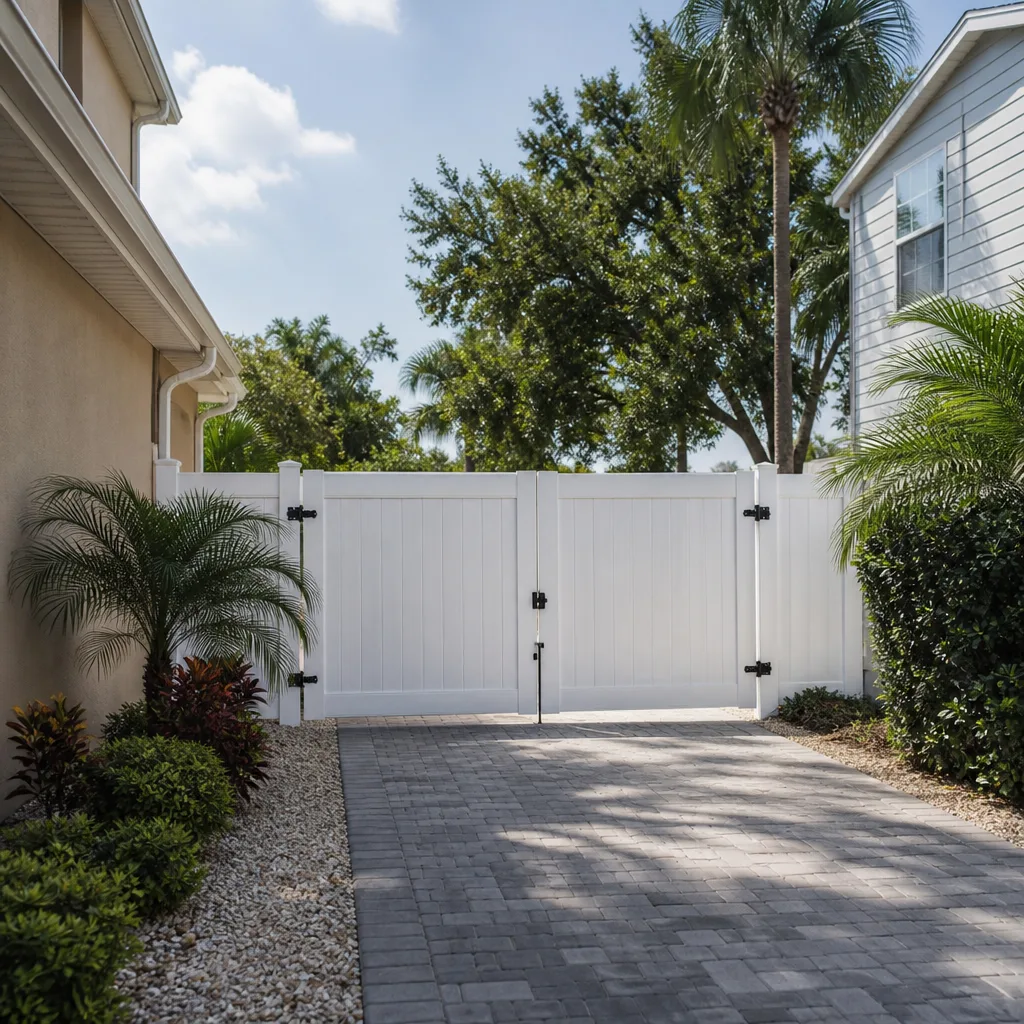
- Vinyl fence installation: $3,500-$9,000
- Aluminum fence installation: $4,000-$10,000
- Post depth and soil corrections: folded into the run cost, higher on clay and slope
- Free project estimate and design consult: included
FAQs
For a 6-foot fence, plan on 24 inches minimum in normal soil and 30 to 36 inches in Berkeley’s expansive clay, with more added on sloped ground. The old rule of one-third the post length gets you 2 feet, which is a starting point, not a finish line. On a grade, that post needs to go to 30 to 36 inches or it will move by spring. Call (855) 471-4163 for a free estimate if you want the depth checked against your specific soil.
Yes. When a fence connects to a structure, the posts enter structural territory and the footing design may need engineering sign-off before permits are issued, so depth is set by the engineer, not the one-third rule. This is common on small Berkeley lots. Better to know that upfront than mid-project. Call (855) 471-4163 and we’ll walk your property with you.
No. Frost depth doesn’t apply in Berkeley because the climate never gets cold enough for frost heave. What matters here is soil saturation depth during winter rains. Posts that don’t clear the saturation zone are vulnerable to heaving and lean, so we set depth around drainage and clay, not freezing. Call (855) 471-4163 to have your soil conditions assessed for free.
Most standard fence runs can be completed in a single visit once the estimate is done and materials are chosen, though hillside lots with clay and deep post work sometimes take two. Your timeline gets set at the free estimate, not guessed at later. Call (855) 471-4163 and we’ll give you a straight answer for your property.
Get Your Post Depth Right the First Time
If you’d rather have it looked at, Groundwork Construction Co. of Berkeley offers a no-pressure assessment in Berkeley. We’ll check your soil, measure your grade, and quote the job with upfront pricing. One call to (855) 471-4163 gets you a free estimate, and our team picks up live 24/7. Start with our Fence Installation in Berkeley service, or browse our home page for the full scope of work.
Written by the team at Groundwork Construction Co. of Berkeley, serving Berkeley, CA.