Last updated November 18, 2026




Free written scope consultation - allowances, timeline, and change-order rules on paper before a single trade is scheduled
DIY vs Professional Construction: The Berkeley Homeowner’s Decision Guide
Berkeley allows homeowners to pull their own permits as owner-builders. That sounds like a clean way to save money on a remodel, until you learn what owner-builder status actually triggers: a mandatory disclosure to every future buyer for 10 years after the work is completed. The decision between doing it yourself and hiring a licensed contractor in Berkeley isn’t mostly about whether you can swing a hammer. It’s about jurisdiction, liability, and what happens to your home’s value when the paperwork trail says “owner-built.” This guide walks through the real rules, the real risks, and the specific projects where each path makes sense.
Quick Answer
In Berkeley, the DIY vs. professional decision comes down to three factors: whether the scope legally requires a licensed contractor (gas, most electrical panel work, and structural changes often do), whether you’re willing to accept owner-builder disclosure obligations for 10 years, and whether your homeowner’s insurance will cover self-performed work during construction. Skilled homeowners can legitimately handle cosmetic and non-structural projects. Anything touching structure, gas, or the electrical service panel belongs with a professional, and Berkeley enforces that line at the same standard it applies to licensed contractors.
Styles & brands we work with
- Kitchen remodeling
- Bathroom remodeling
- Home additions & ADU
- Roofing
- Windows & doors
- Driveway & pavers
- Fence
Table of Contents
- What “Owner-Builder” Actually Means in California and Berkeley
- The Insurance Gap That Opens the Moment You Self-Perform
- The Berkeley Project Matrix: What’s Safe to DIY, What Isn’t
- The Real Cost of a DIY Permit Pull in Berkeley
- Inspection Scheduling and the Correction-Cycle Risk
- How DIY Work Follows You Into a Future Sale
- The Honest Case for Professional Construction
- Berkeley-Specific Considerations Most Guides Miss
What “Owner-Builder” Actually Means in California and Berkeley
California law lets a homeowner act as their own general contractor on their own residence, pulling permits under what’s called owner-builder status. The key legal limit: you can only do this on a home you occupy or intend to occupy, and you cannot use owner-builder permits to build for sale. If you’re flipping a house or building a rental, the owner-builder route is closed to you.
Berkeley adds layers on top of the state rules. The city’s building department requires the same plan review, the same inspection schedule, and the same code compliance from a homeowner as it does from a licensed general contractor. There’s no lighter track for DIY. If your plans don’t meet the current California Building Code and Berkeley’s local amendments, they get kicked back the same way a contractor’s would.
Here’s what that means in practice:
- You become the responsible party. Every inspection, every correction, every deadline lands on you, not on a contractor’s license.
- You assume the worker-safety and liability exposure. If a helper gets hurt on your property, your homeowner’s policy and your personal assets are on the line.
- You take on the warranty obligation. There’s no third party to call if the work fails in year three.
- You agree to the disclosure rule. More on that below, because it’s the part that surprises people most.
The owner-builder exemption was designed for people building their own rural homes, not for urban remodels in a city with Berkeley’s code complexity. Using it as a cost-saving shortcut is legal, but it moves risk onto you that a licensed contractor would otherwise carry. When we talk with Berkeley homeowners who are weighing this, we walk through the exposure honestly, because the paperwork consequences outlast the project by a decade.
The Insurance Gap That Opens the Moment You Self-Perform
Most homeowners assume their policy covers them during a remodel. Often it doesn’t, and the gap is widest exactly when you’re doing the work yourself. Standard homeowner’s policies typically exclude or limit coverage for:
- Injuries to unpaid helpers or friends who assist with the work, since they aren’t covered as employees.
- Damage caused by faulty workmanship you performed, including water intrusion from a badly flashed window or a roof that leaks after your repair.
- Increased risk during construction if you didn’t notify the insurer of a major project. Some carriers require a builder’s risk rider for substantial work.
- Claims arising years later from a defect in self-performed work, which your policy may treat as a maintenance failure rather than a covered loss.
A licensed contractor carries general liability insurance and workers’ compensation. That coverage transfers the risk of injury and defective work off your policy and onto theirs. When you self-perform, you’re effectively self-insuring for those exposures, whether you realize it or not.
The scenario that catches people: a homeowner in the Berkeley Hills finishes a bathroom themselves, a supply line fails a year later, and the water damage claim gets denied because the insurer attributes it to installation error rather than a sudden event. By then the contractor who would have warranted the work doesn’t exist in the picture. Before you start any permitted project, call your insurer and ask point-blank what’s covered during construction and what isn’t. The answer often changes the decision.
The Berkeley Project Matrix: What’s Safe to DIY, What Isn’t
Not all projects carry the same risk, and treating them the same is how homeowners get into trouble. Here’s how we’d sort common Berkeley projects by genuine DIY appropriateness.
Genuinely DIY-appropriate (skilled homeowner, no permit typically required)
- Interior painting and trim work
- Cabinet hardware, shelving, and closet systems
- Landscape planting, mulching, and non-structural garden beds
- Replacing light fixtures on existing wiring (fixture swap only, not new circuits)
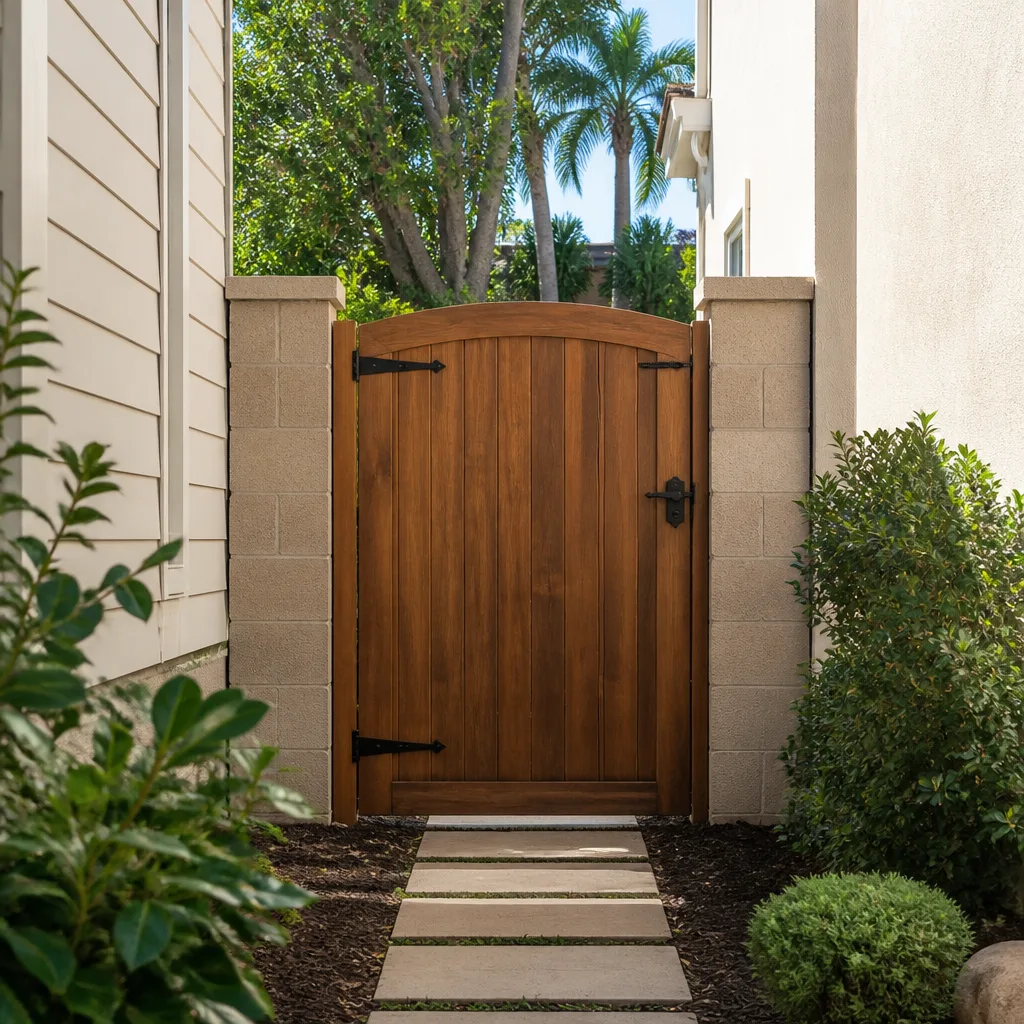
- Fence repair and replacement within height limits (though fence installation in Berkeley has its own permit and property-line rules worth checking)
Hidden-liability DIY (legal to do, but the risk is bigger than it looks)
- Tile and flooring. Looks simple, fails on subfloor prep and waterproofing. A shower that leaks into the framing costs far more to fix than it saved.
- Drywall and framing of non-structural walls. Doable, but fire-blocking and seismic detailing in Berkeley’s older housing stock are easy to get wrong.
- Deck repairs. Berkeley’s hillside lots and seismic requirements make deck attachment a structural question, not a cosmetic one.
- Window replacement. Requires permit for like-for-like and triggers energy-code compliance. Improper flashing is a leading cause of hidden rot.
Code-prohibited or high-risk regardless of skill
- Gas line work. Permitted, inspected, and dangerous. This is not a DIY category.
- Electrical service panel upgrades and new circuits. Panel work is lethal and requires a licensed electrician and inspection.
- Structural alterations. Removing or modifying load-bearing walls, foundation work, and seismic retrofits belong with licensed engineers and contractors.
- Roofing on steep pitches. Fall risk is the leading cause of construction fatalities. A qualified roofer handles the height and the underlayment detailing that keeps Berkeley’s rainy winters out.
The pattern: cosmetic work is yours to take on. Anything that fails invisibly, involves a utility, or touches the structure should go to a professional. If you’re weighing a larger addition, the calculation shifts further toward professional help, which is why home additions & ADU in Berkeley is almost never a self-build in this city.
The Real Cost of a DIY Permit Pull in Berkeley
The permit fee itself is often the smallest cost. The real expense is your time, and Berkeley’s process is not built for speed. Here’s what a homeowner-builder is actually signing up for on a typical remodel:
- Plan preparation. You’ll need drawings that meet Berkeley’s submittal standards. Hiring a designer or draftsperson for this often costs more than people expect, and you can’t skip it for permitted work.
- Submittal and plan review. You file with the city, pay fees, and wait through plan review. Comments come back, you revise, you resubmit. Each cycle costs weeks.
- Contractor coordination. If you hire subs for electrical, plumbing, or HVAC, you’re now the general contractor: scheduling them, verifying their licenses, and holding them to the inspection schedule.
- Inspection scheduling. Each phase (rough framing, rough electrical, rough plumbing, insulation, final) requires a separate inspection. You schedule, you wait, you’re present.
- Correction cycles. Failed inspections are common on owner-builder projects because the details that pass are the ones a contractor does every week. Each correction means rework, reinspection fees, and delay.
Add up the plan-prep hours, the review wait, the coordination, and the correction risk, and the “savings” from skipping a contractor’s markup often evaporates. What you’ve traded is cash for time and exposure. Some Berkeley homeowners have the time and enjoy the work; many discover mid-project that they’ve taken a second job they didn’t want.
There’s also a financing reality. A licensed contractor can offer structured payment and 0% financing for 18 months on larger projects, which spreads the cost in a way a DIY budget can’t. We lay out driveway & pavers in Berkeley pricing the same way: upfront and itemized, so the comparison is honest.
Inspection Scheduling and the Correction-Cycle Risk
Inspection is where DIY projects most often stall. A contractor’s crew builds to the inspector’s checklist because they’ve been through it dozens of times; a first-time owner-builder is learning the checklist in real time, on their own house, with the clock running.
The correction cycle is the hidden cost. A failed rough framing inspection might mean redoing blocking or hardware. A failed electrical rough-in might mean opening walls you just closed. Each one adds rework, a reinspection fee, and another wait for a slot. On a project with five inspection phases, a couple of failed cycles can push a two-month job to four.
Berkeley’s older housing stock makes this sharper. Homes built before the 1960s often have framing, wiring, and plumbing that don’t match modern code expectations, so an inspector may flag existing conditions the moment you open a wall. A contractor anticipates those and prices them into the bid. An owner-builder discovers them at inspection.
This is the argument for licensed accountability that has nothing to do with skill: a professional absorbs the correction risk as part of the job, and a written workmanship guarantee means the fix is their problem, not yours.
How DIY Work Follows You Into a Future Sale
This is the part almost no homeowner knows before they pull an owner-builder permit. California requires sellers to disclose certain information to buyers, and work you performed as an owner-builder is part of that disclosure trail. The practical effect: for roughly a decade after completion, your self-performed permitted work is on the record, and future buyers, their inspectors, and their lenders can see it was owner-built rather than contractor-built.
What that does at resale:
- Buyers discount owner-built work. Even when it’s done well, an unverifiable workmanship history reads as risk to a cautious buyer or their agent.
- Lenders and insurers ask questions. Some will want documentation that permitted work was inspected and closed out. Gaps slow or complicate a sale.
- Inspection findings get attributed to you. If a later inspector flags something in the work you did, you’re the responsible party in the transaction, not a contractor with a license and insurance to stand behind it.
Contractor-performed work with a written guarantee and a clean permit record reads as an asset at resale, not a liability. The 730-Day Done Right Promise exists precisely for this reason: if the work isn’t right, it gets made right in writing, and that paper trail travels with the house. When you’re spending five figures on a remodel, the difference between “owner-built” and “professionally built, warranted” on a disclosure form is worth real money.
The Honest Case for Professional Construction
This isn’t an argument that we’re better than you. It’s an argument about where licensed accountability earns its keep. There are specific scenarios where hiring a professional protects your asset value and your legal standing in ways DIY can’t replicate:
- Anything requiring a permit that touches structure, gas, or the electrical service. The liability transfer is the product, not the labor.
- Projects you plan to sell within ten years. The disclosure trail matters, and contractor-built work reads as an asset.
- Work you can’t be present to supervise. Inspections and coordination require someone on site; if that’s not you, it needs to be a professional.
- Projects where a hidden defect is expensive. Showers, roofs, windows, and anything that manages water fail invisibly and cost far more to fix later.
- Anything where insurance coverage is uncertain. If your policy might deny a claim on self-performed work, the savings isn’t real.
When those conditions apply, a licensed contractor brings a workmanship guarantee, insurance, and code familiarity that spreads the risk across a professional relationship instead of concentrating it on you. Groundwork Construction Co. of Berkeley handles whole scopes from foundation to finish line, which means one accountable party instead of you coordinating five trades. Background-checked, uniformed technicians on every project, calls answered by a live person 24/7, and upfront pricing where the number you see is the number you pay. On materials, that means brand partners like Cambria and Kohler where they fit, not just whatever’s in stock.
Berkeley-Specific Considerations Most Guides Miss
Generic DIY advice misses what makes Berkeley different. A few things that shape the calculation here:
- Pre-1950s housing stock. Much of Berkeley’s housing was built before modern seismic and energy codes. Opening walls frequently reveals conditions that require upgrades, which raises both the cost and the inspection complexity of owner-built work.
- Hillside and seismic requirements. Properties in the hills face slope-stability and seismic detailing that make structural DIY genuinely unsafe. Foundation and retaining work belongs with licensed engineers.
- Rainy-season water management. Berkeley’s wet winters punish any flashing or waterproofing error. Roofs, windows, and showers are where self-performed work fails most expensively.
- Historic and neighborhood design review. Some Berkeley projects trigger design review, adding a layer of approval a homeowner-builder has to navigate without a contractor’s familiarity.
None of this means Berkeley homeowners can’t DIY. It means the margin for error is thinner here than in a newer suburb, and the paperwork follows you longer. If you want the full picture of how we approach residential work in this city, start at the Groundwork Construction Co. of Berkeley home page.
Common Mistakes to Avoid
- Assuming owner-builder status is a cost-saving loophole. It’s a legal designation that moves liability onto you and triggers disclosure obligations. Treat it as a serious commitment, not a shortcut.
- Skipping the insurance call. Most homeowners never ask their carrier what’s covered during construction until after a loss. Call before you start, not after.
- Pulling a permit without knowing the inspection phases. Each phase is a separate scheduling and correction risk. Map them out before you budget the time.
- DIYing gas or panel work because it “looks straightforward.” These are the two categories where skill level doesn’t change the danger. Leave them to licensed trades.
- Underestimating plan-prep cost. Drawings that meet Berkeley’s submittal standards cost real money. Budget for them, or the project stalls at review.
- Ignoring the resale trail. Ten years of owner-built disclosure follows the work. Consider it before you start, especially if you might sell.
- Taking on a permit project you can’t supervise. If you can’t be on site for inspections, you’ve taken a job you can’t do. That’s when a professional earns their fee.
See the difference
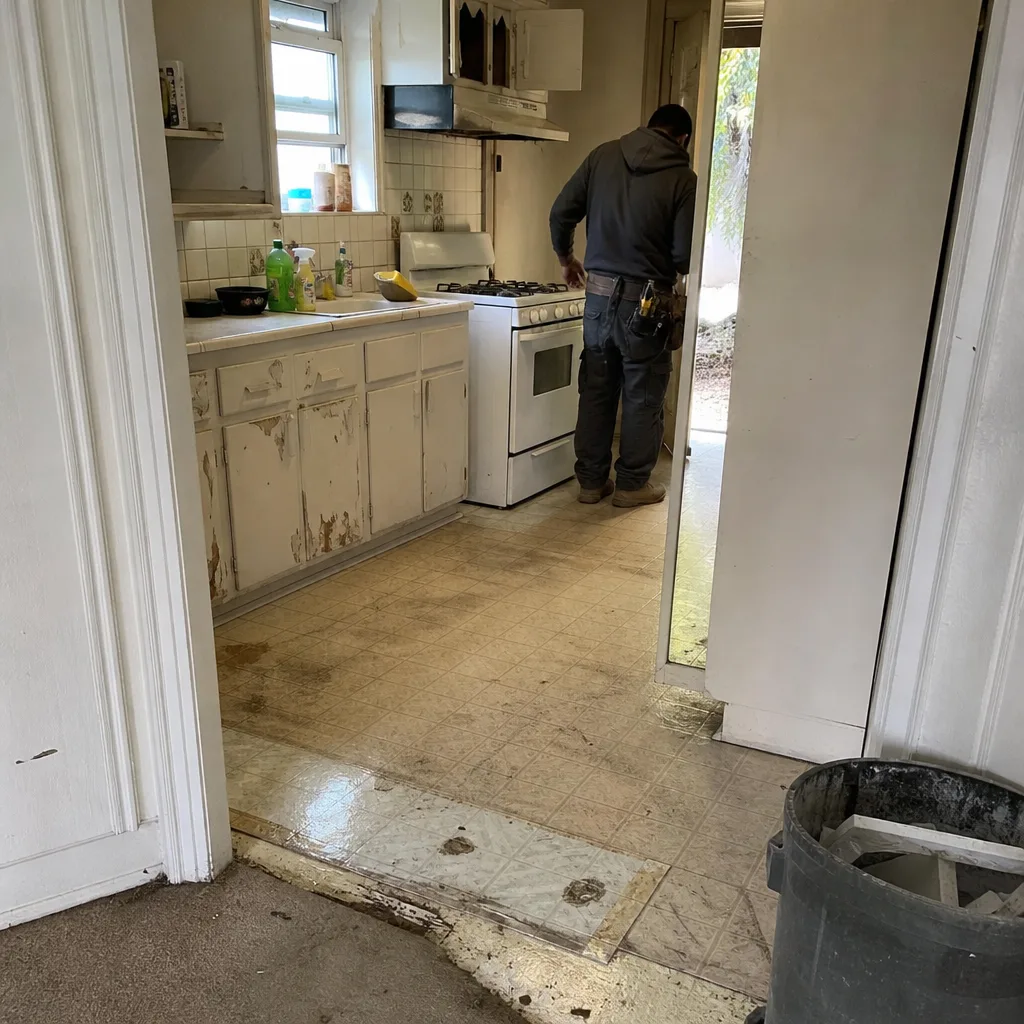 Before
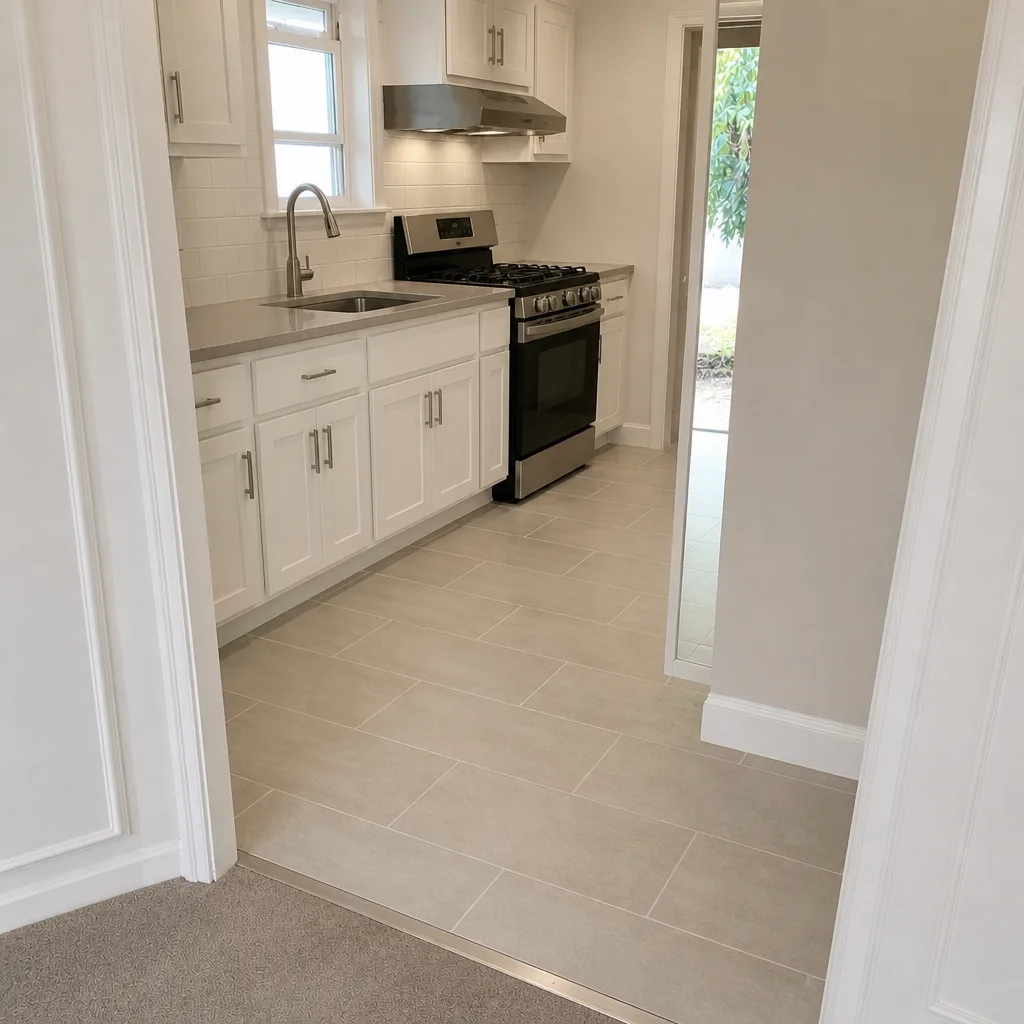 After
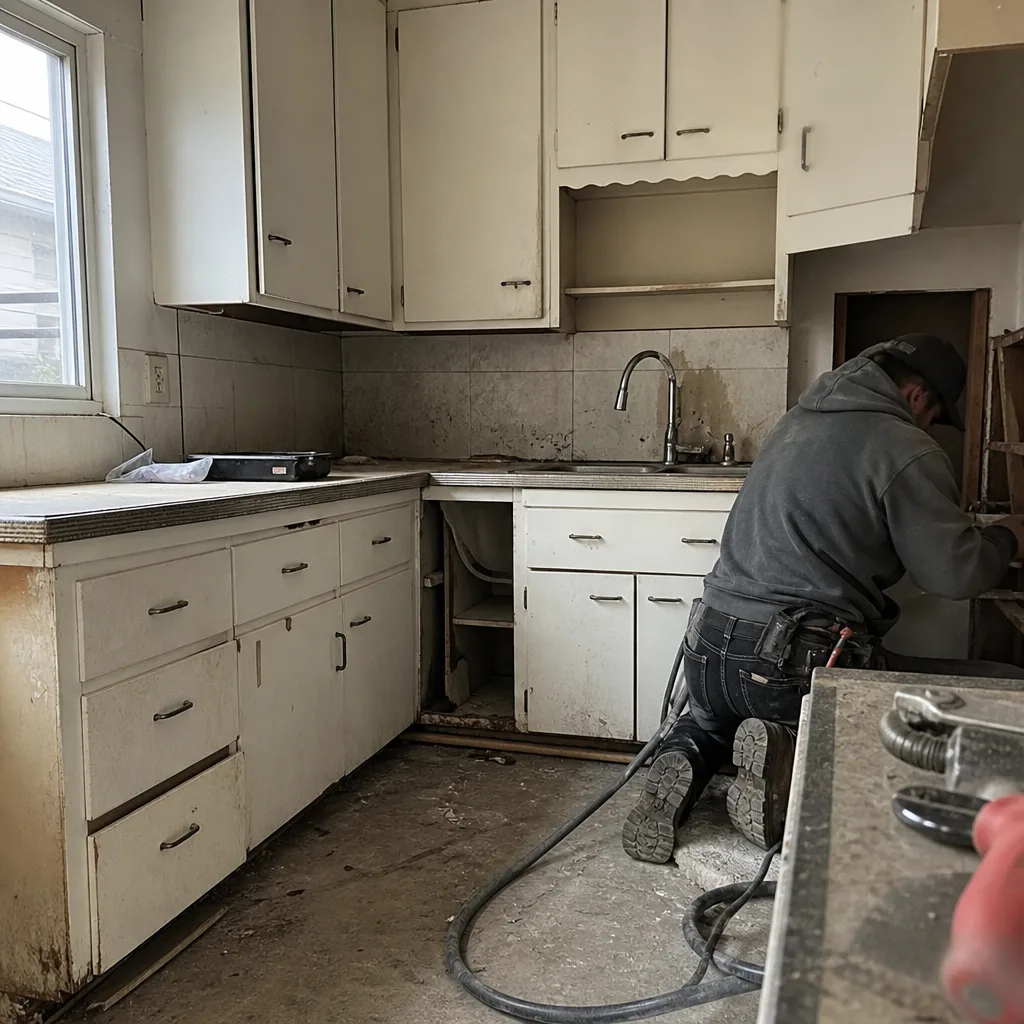 Before
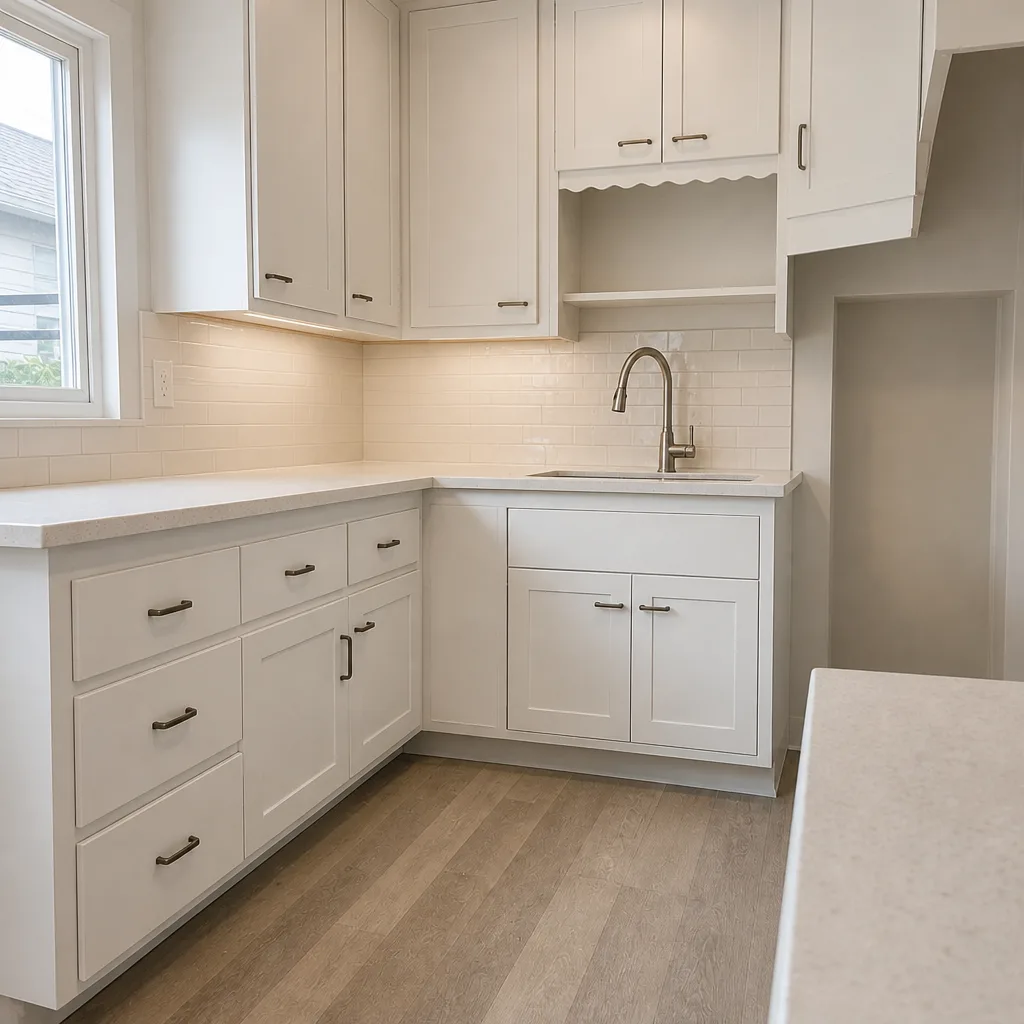 After
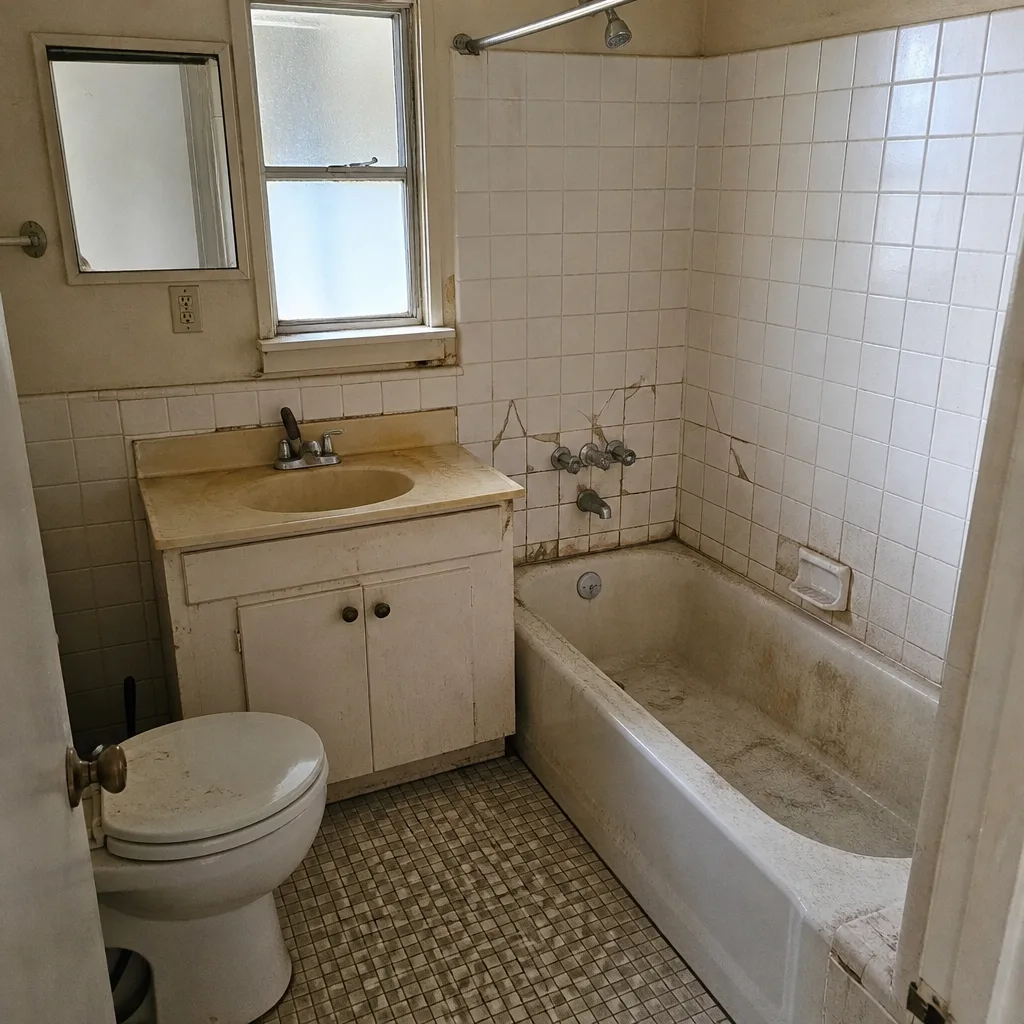 Before
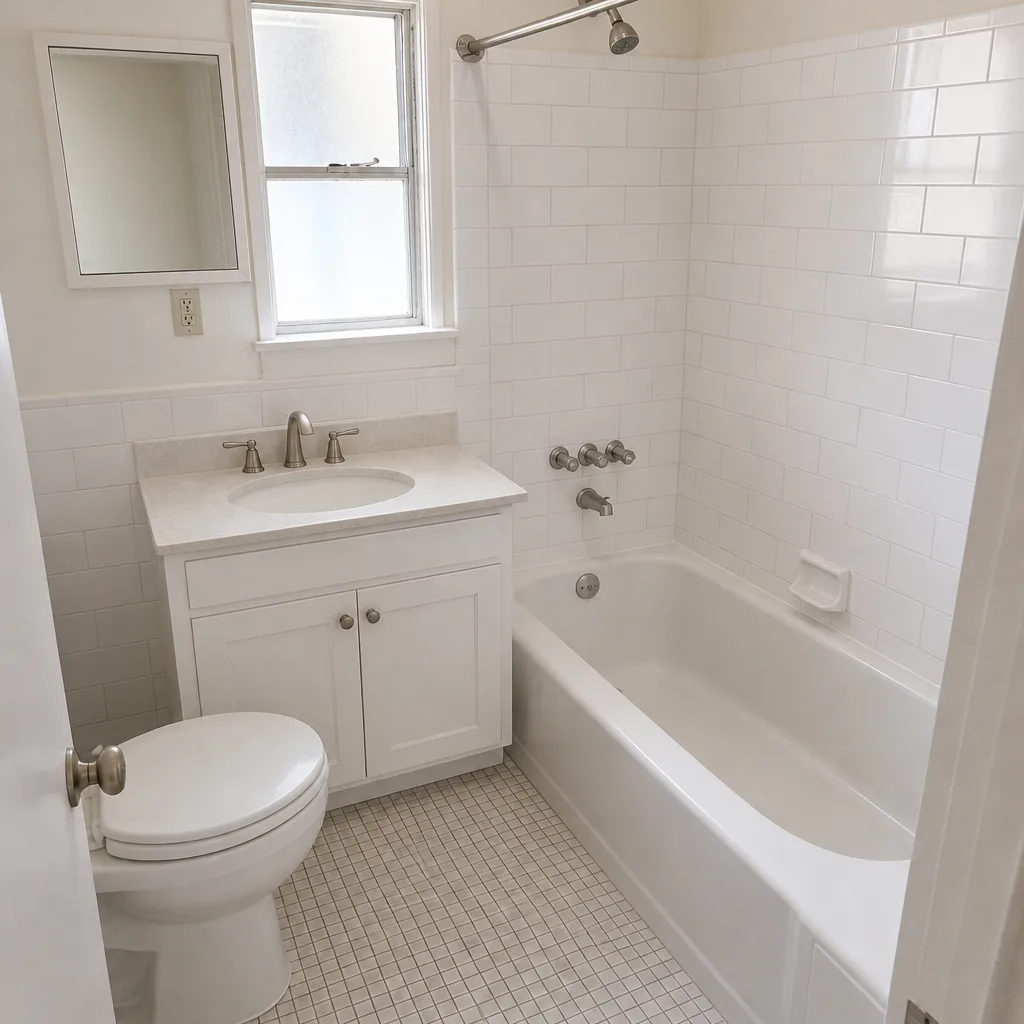 After
When to Call a Professional
Call a licensed professional when the project requires a permit and touches structure, gas, or the electrical service; when you plan to sell within a decade and want contractor-built work on the record; when a hidden defect would be expensive to fix (roofs, showers, windows); or when you can’t be present to supervise inspections. Those are the scenarios where licensed accountability protects your asset and your legal standing. Groundwork Construction Co. of Berkeley offers free estimates in Berkeley. Call (855) 471-4163 to schedule yours, and bring your questions about permits, insurance, and disclosure. We’ll give you straight answers whether or not you hire us.
Frequently Asked Questions

Yes. California allows owner-builders to pull permits on a home they occupy or intend to occupy, and Berkeley processes owner-builder applications through the same plan review and inspection process as licensed contractors. The catch is that you assume the liability, the inspection coordination, and the disclosure obligations that come with owner-built work.
The permit fee is roughly the same whether a homeowner or a contractor pulls it, so the real difference is the soft costs: plan preparation, the wait through review cycles, your time coordinating trades, and the rework from failed inspections. Those usually add more than the permit fee itself, and they’re the costs homeowners underestimate.
Often not fully. Many policies exclude or limit coverage for injuries to unpaid helpers, damage from faulty workmanship, and claims that arise years later from self-performed work. Call your insurer before starting and ask specifically what’s covered during construction. That one call changes a lot of decisions.
Yes, self-performed permitted work becomes part of the disclosure trail for roughly ten years after completion. Future buyers, their inspectors, and their lenders can see the work was owner-built rather than contractor-built, and that often affects how it’s valued in a sale.
Cosmetic and non-structural work is the safe zone: painting, trim, cabinet hardware, shelving, landscape planting, and simple fixture swaps on existing wiring. Anything involving gas, the electrical panel, structural changes, foundations, or steep-roof work should go to a licensed professional regardless of your skill level.
Plan review alone can run several weeks per cycle, and each inspection phase is a separate scheduling wait. A project a contractor might complete in two months can stretch to four when correction cycles and reinspection waits are added. Budget the time before you commit.
The Bottom Line
In Berkeley, the DIY vs. professional decision is about jurisdiction more than skill. Owner-builder status is legal and sometimes sensible for cosmetic work, but it moves liability onto you, opens an insurance gap, and follows your home through ten years of disclosure. Structure, gas, electrical service, and water-management work belong with licensed professionals, where the guarantee and the permit trail protect your asset. If you’re weighing a permitted project and want a straight read on the risk, call Groundwork Construction Co. of Berkeley at (855) 471-4163 for a free estimate. Upfront pricing, no surprises, and a 730-Day Done Right Promise on every project.
Written by the team at Groundwork Construction Co. of Berkeley.